
Copper current path
Confirm whether the selected model uses a copper strip, copper inner pipe or another scheduled construction.
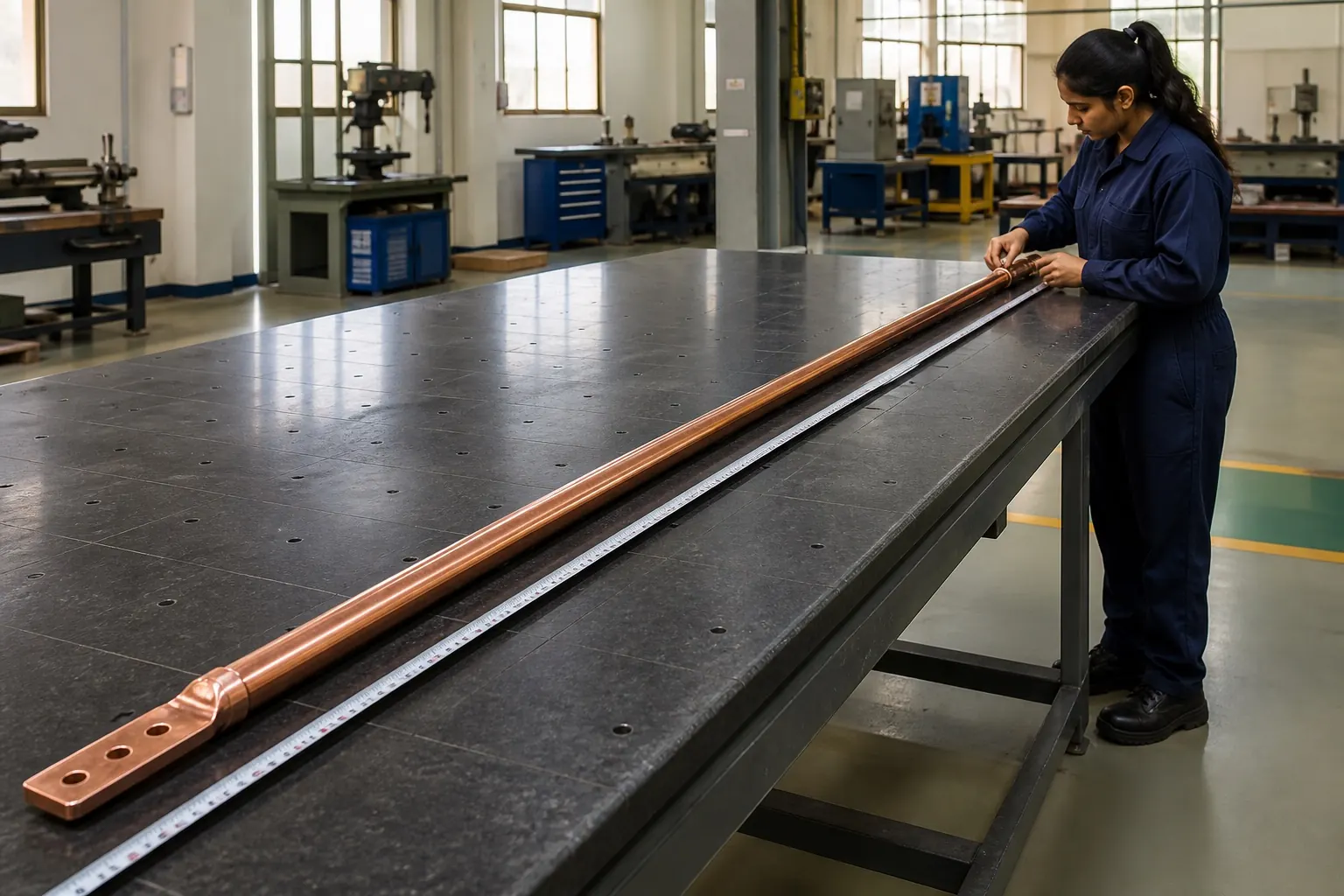
Copper earthing electrodes
Copper-inner-conductor SIP and PIP chemical earthing electrodes in documented 2, 3 and 6 metre lengths for Jaipur project enquiries.
Discuss your requirementStart here
Copper earthing can describe different constructions, so the phrase needs a drawing behind it. A copper inner strip or pipe inside a filled electrode is not the same product as a solid copper-bonded steel rod.
The 3E SIP and PIP family includes models with copper conductors in listed 2, 3 and 6 metre lengths. The outer section, terminal and test evidence must be confirmed for the offered model.
Confirm whether the selected model uses a copper strip, copper inner pipe or another scheduled construction.
The product photograph shows a full 2 metre assembly rather than an undersized display sample.
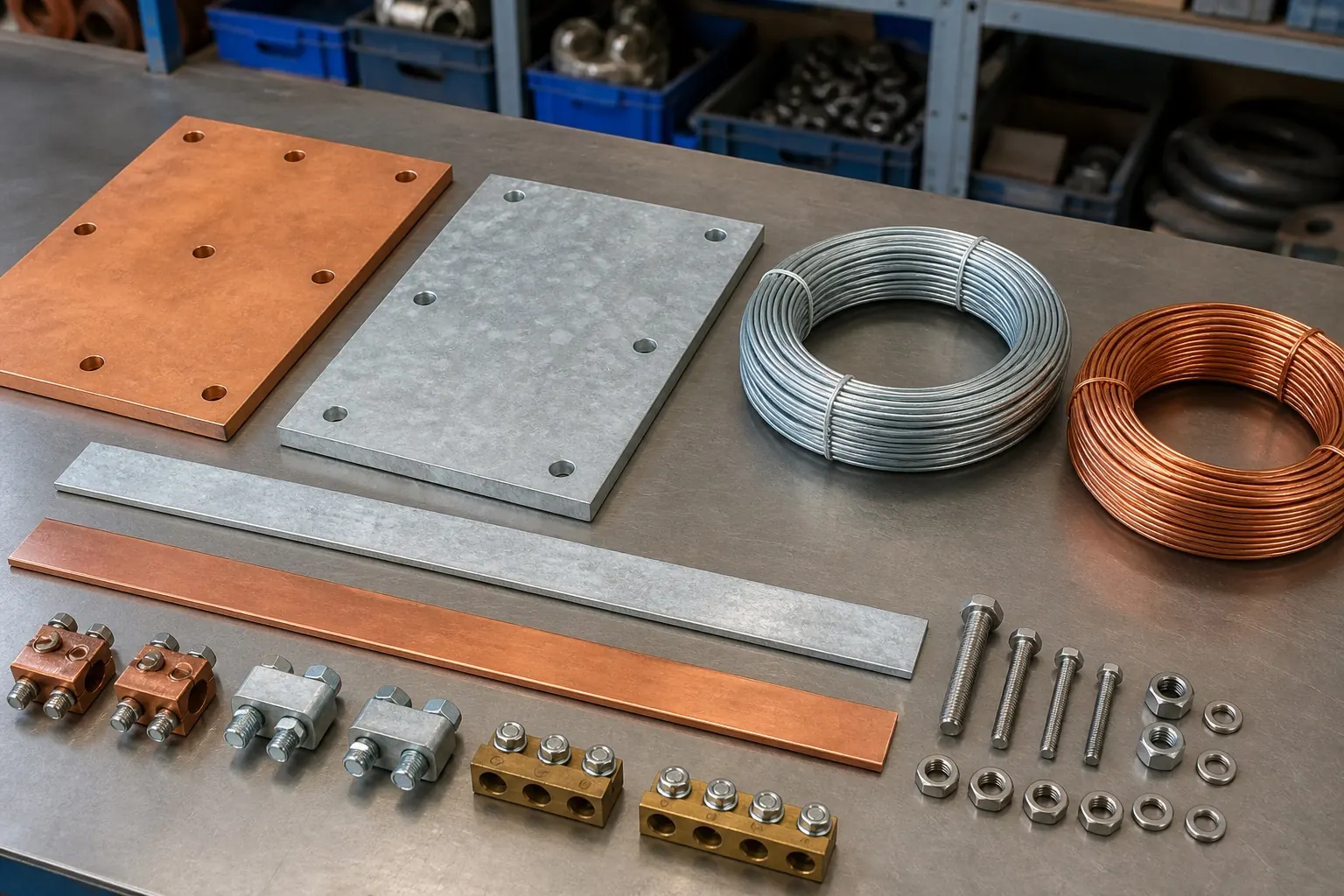
Clamps and transitions need to suit the metals, section sizes and exposure.
Technical view
In SIP construction, the inner current path can be a copper strip inside the filled outer pipe. PIP construction uses an inner pipe arrangement, with the exact metal section controlled by the product schedule.
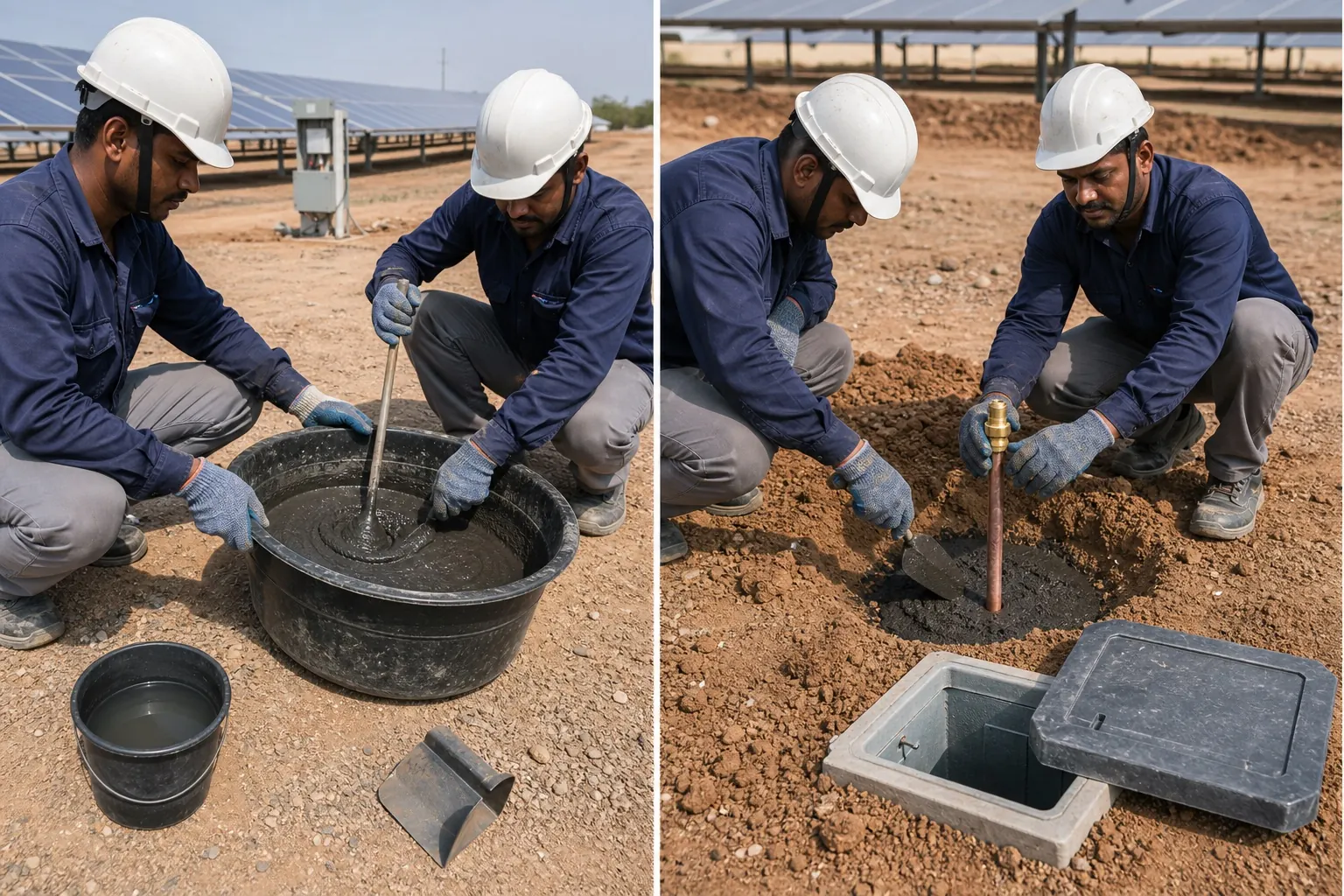
The compound inside the assembly and the wet backfill outside it perform different jobs. Neither should be described as a substitute for the copper current path or a sound terminal joint.
Moisture at a copper-to-galvanized connection can create a difficult corrosion interface when the clamp and transition are poorly chosen. The joint should remain accessible rather than being hidden under finished civil work.
State both metals, strip sizes and connection method in the bill of materials. A vague callout for a copper earth leaves too much to be decided during installation.
Specification
Ask what is copper, how large it is and where it connects. The answers decide whether two quotations describe the same product.
Method
The drawing should identify the copper element before procurement. Installation then protects the joint and preserves an inspection path.
Separate copper SIP or PIP electrodes from solid copper-bonded rods.
Confirm the conductor, clamp, transition and exposure at every metal change.
Maintain depth, wet backfill and at least 2 metres between separate earthings.
Inspect the terminal and measure the earth before handover.
Questions from site and procurement teams
No. A filled SIP or PIP electrode with a copper conductor is a different construction from a solid steel rod with a copper-bonded surface.
The 3E profile lists those lengths for SIP and PIP models with GI or copper inner conductors. Confirm the outer construction and section for the chosen model.
Check the approved transition, clamp compatibility, section size, moisture exposure and inspection access. Do not bury an improvised dissimilar-metal joint.
Bring us the site details
Send the offered drawing, metal sections and application. We will separate the conductor, outer body, backfill and terminal details before comparison.
Contact 3E Solutions