
Form
Crystalline conductive compound supplied for earthing work
Earthing
Graphite and bentonite based earthing backfill compound from Jaipur, with tested sample data, wet-mixing guidance and enquiry inputs.
Request a specification reviewDirect answer
Backfill compound improves contact between an earthing electrode and the surrounding soil when the approved design calls for it.
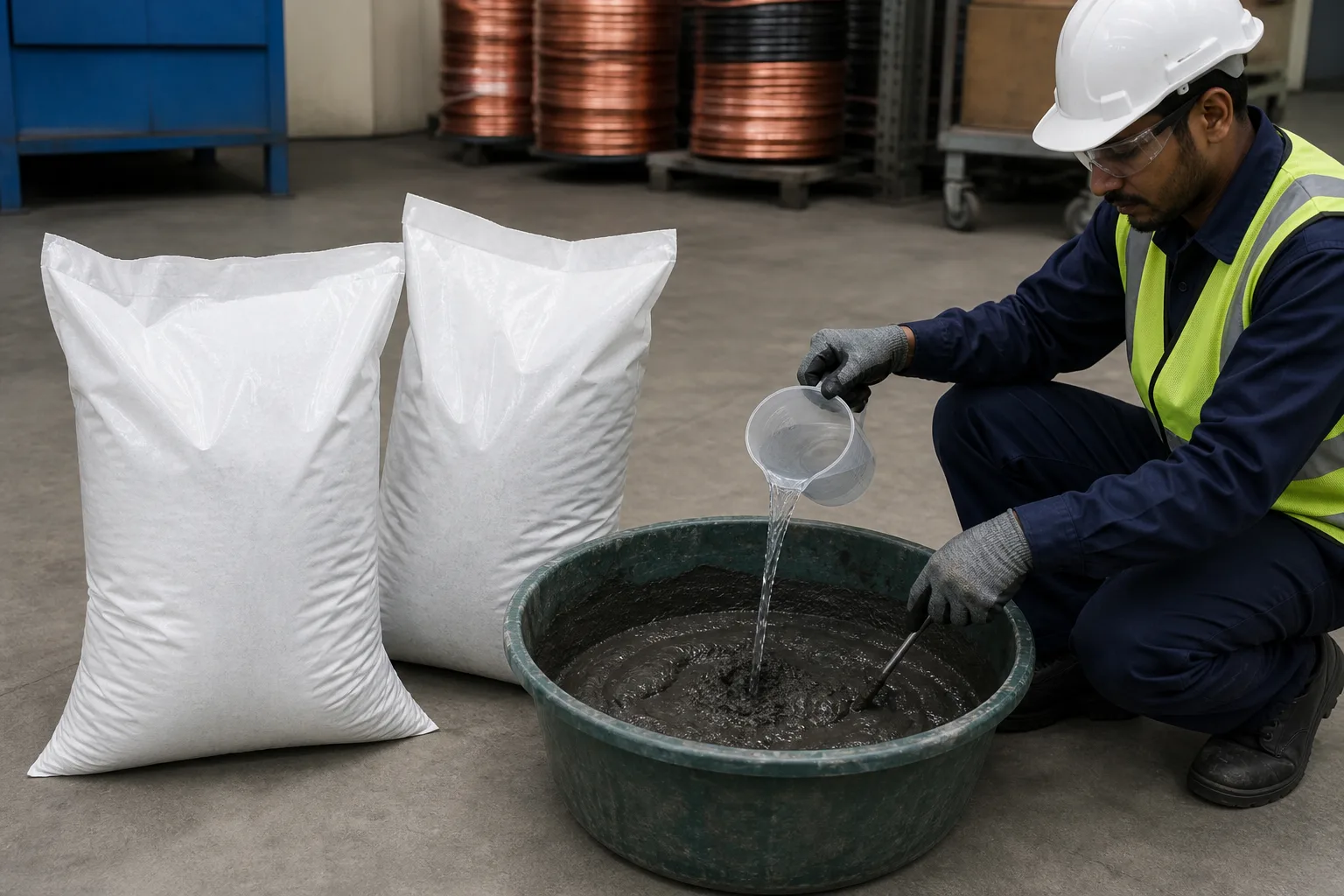
3E supplies a crystalline, conductive blend described in the company profile as graphite and bentonite based. It must be mixed with water before placement. Soil, pit geometry and the terminal joint still decide the installed result.
Crystalline conductive compound supplied for earthing work
Graphite and bentonite based
3500 microsiemens per centimetre for the sample in report QSS/GDM/LAB/2020-21/03087
Technical view
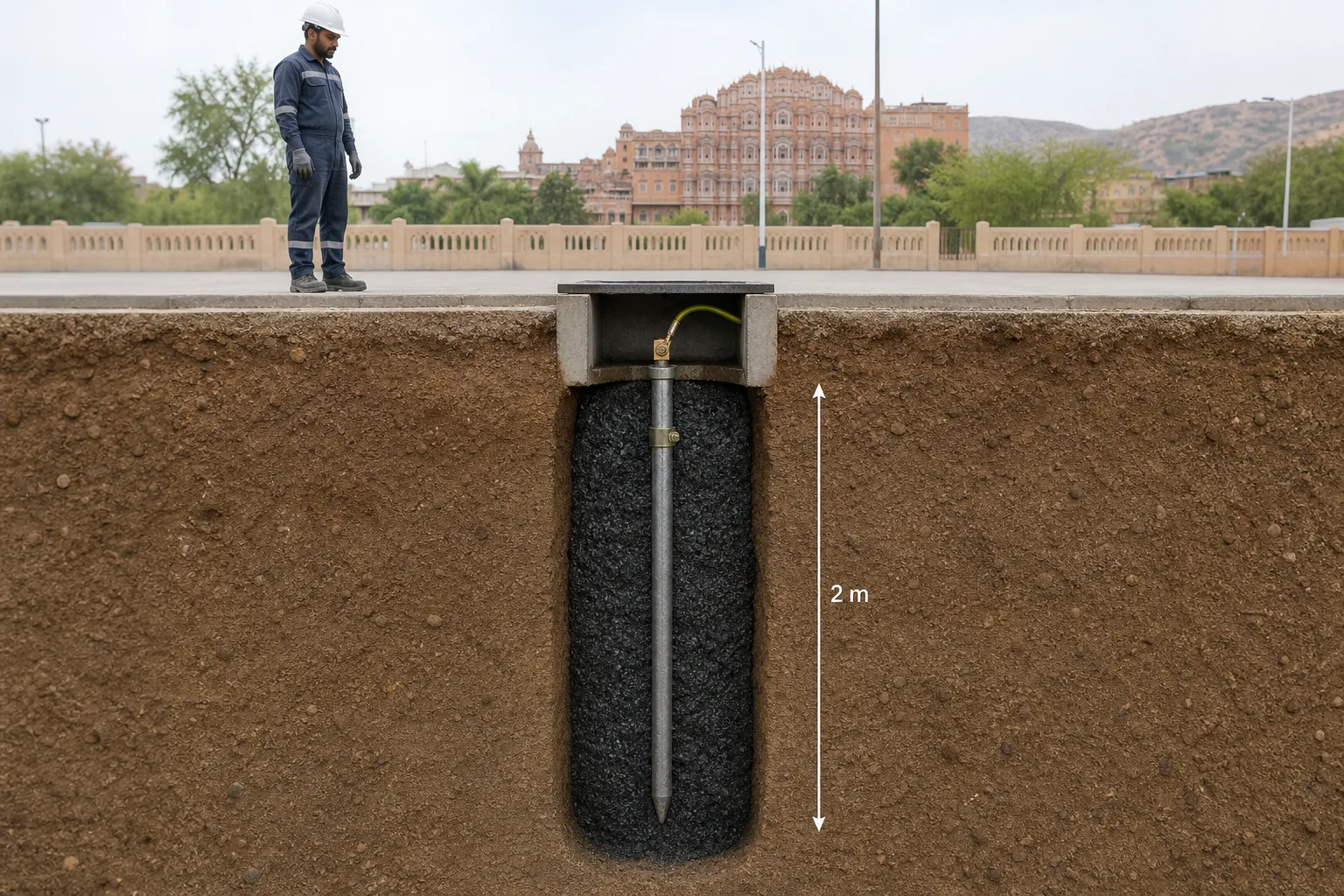
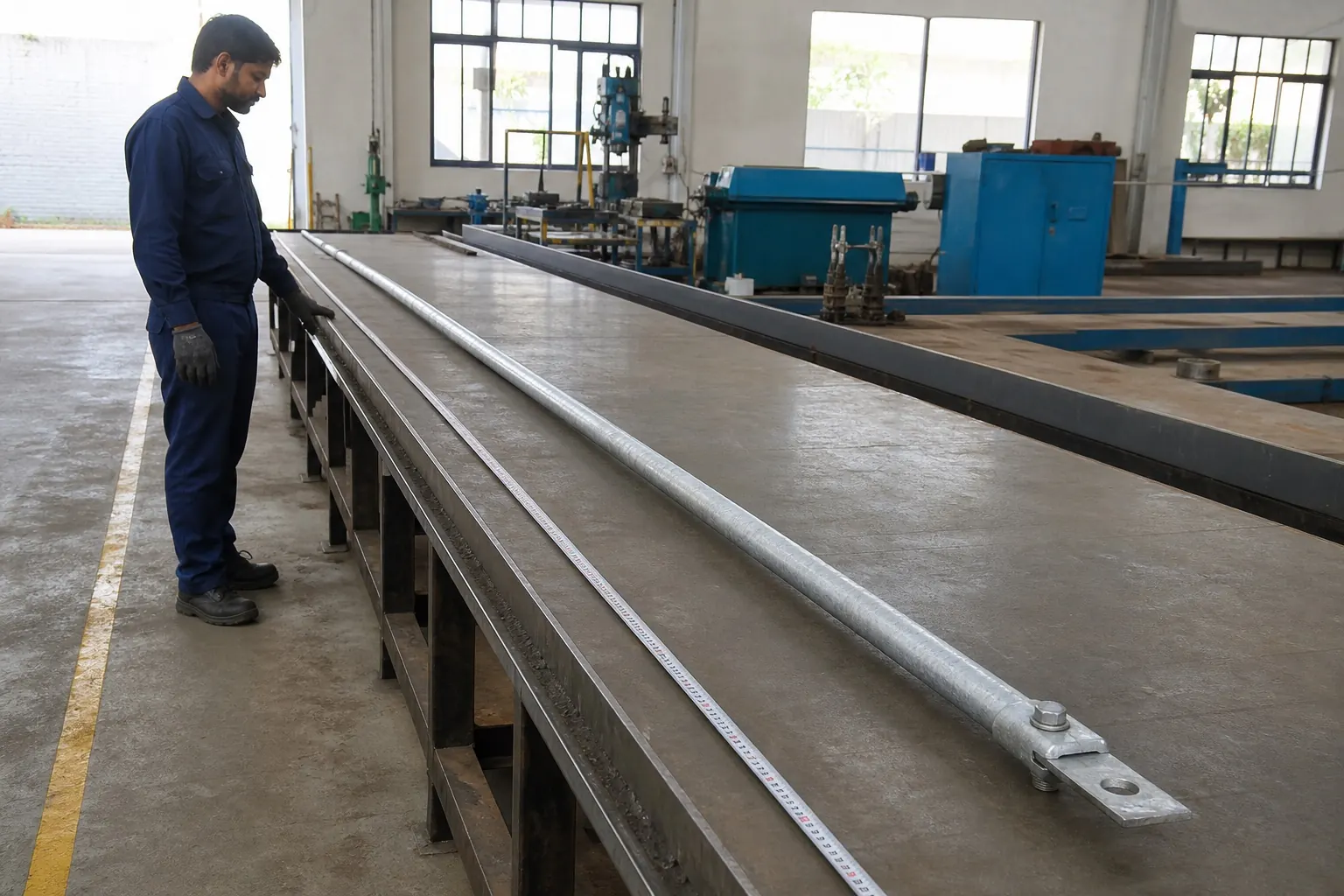
Start with the electrode drawing. The required quantity and placement depend on the hole, electrode length and soil left around the working zone, so a bag count copied from another project is a poor shortcut.
Dry dumping is the common mistake. The 3E installation manual calls for wet premixing, while loose refill soil, buried connections and a shallow token layer can leave a tidy chamber with an unconvincing reading.
Specification
The laboratory figures belong to one tested sample. They are useful evidence, but they are not a promised earth-resistance value for every site.
Applications
Use the application to settle the duty, material, dimensions and evidence required in the offer.
Placed around the full working electrode where the approved installation drawing requires conductive backfill.
Supplied with selected 3E electrode models for plant, transformer, equipment and lightning earth duties.
Considered only after the existing pit, soil, spacing and failed connection points have been checked.
Questions from site and procurement teams
No, not under the supplied 3E installation guidance. Premix it with water before placement, then follow the approved pit detail.
No. The final reading depends on soil resistivity, depth, spacing, moisture, conductor joints and the wider earth network.
That is an enquiry input, not a universal number. Send the electrode model, hole dimensions and site requirement so the quantity can be checked.
Bring us the drawing
Send the electrode model, pit drawing, quantity and site location. We will confirm the offered pack and placement requirement before quotation.
Send the requirement on WhatsApp