Traceable equipment
Every finding needs a panel, feeder or component identity. A floating thermal image is hard to act on.
Condition survey service
Electrical thermography surveys in Jaipur with equipment identity, load context, comparative temperatures, defect priority and retest recommendations.
Discuss the project inputsDirect answer
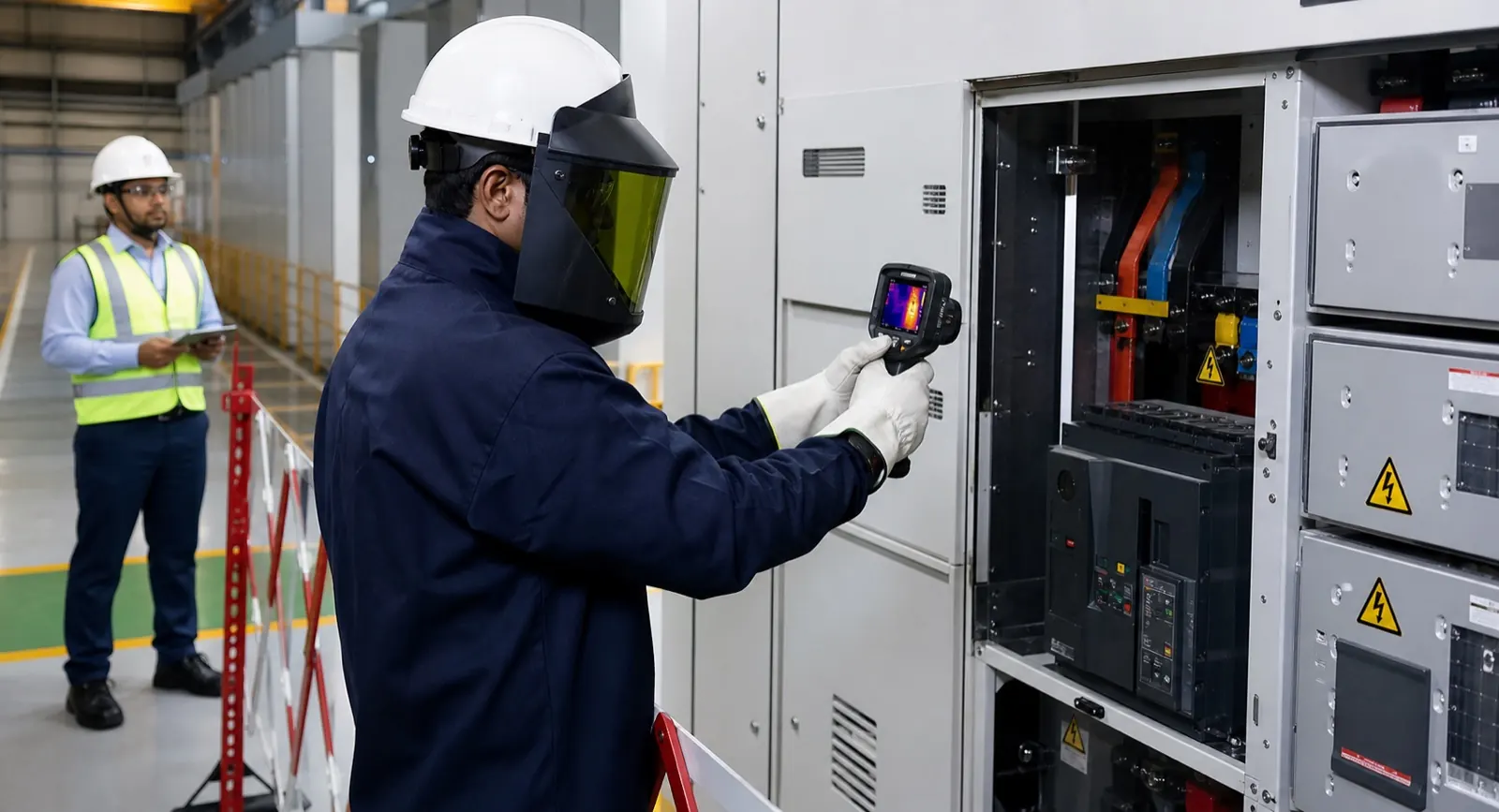
A hot image needs context. Useful electrical thermography ties each thermogram to the equipment identity, operating load, comparable phases or components and the conditions present when the image was taken.
The report must lead somewhere. It should separate urgent defects from watch items, explain the basis and state whether repair verification or a loaded retest is needed.
Every finding needs a panel, feeder or component identity. A floating thermal image is hard to act on.
Temperature without load can mislead. Record representative operating conditions wherever the scope permits.
A repair photograph alone is weak evidence. Recheck the equipment under a meaningful operating state.
Technical view
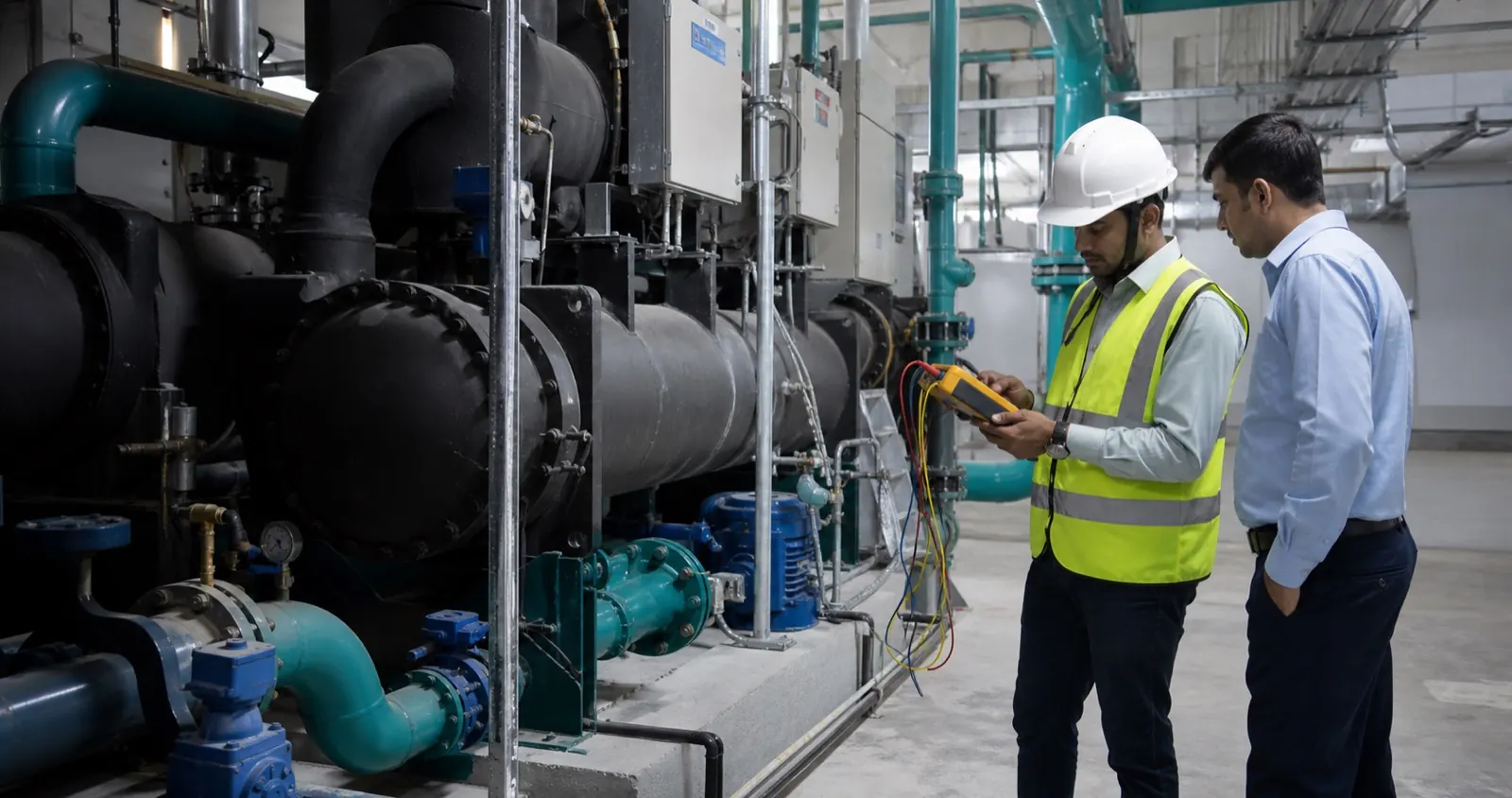
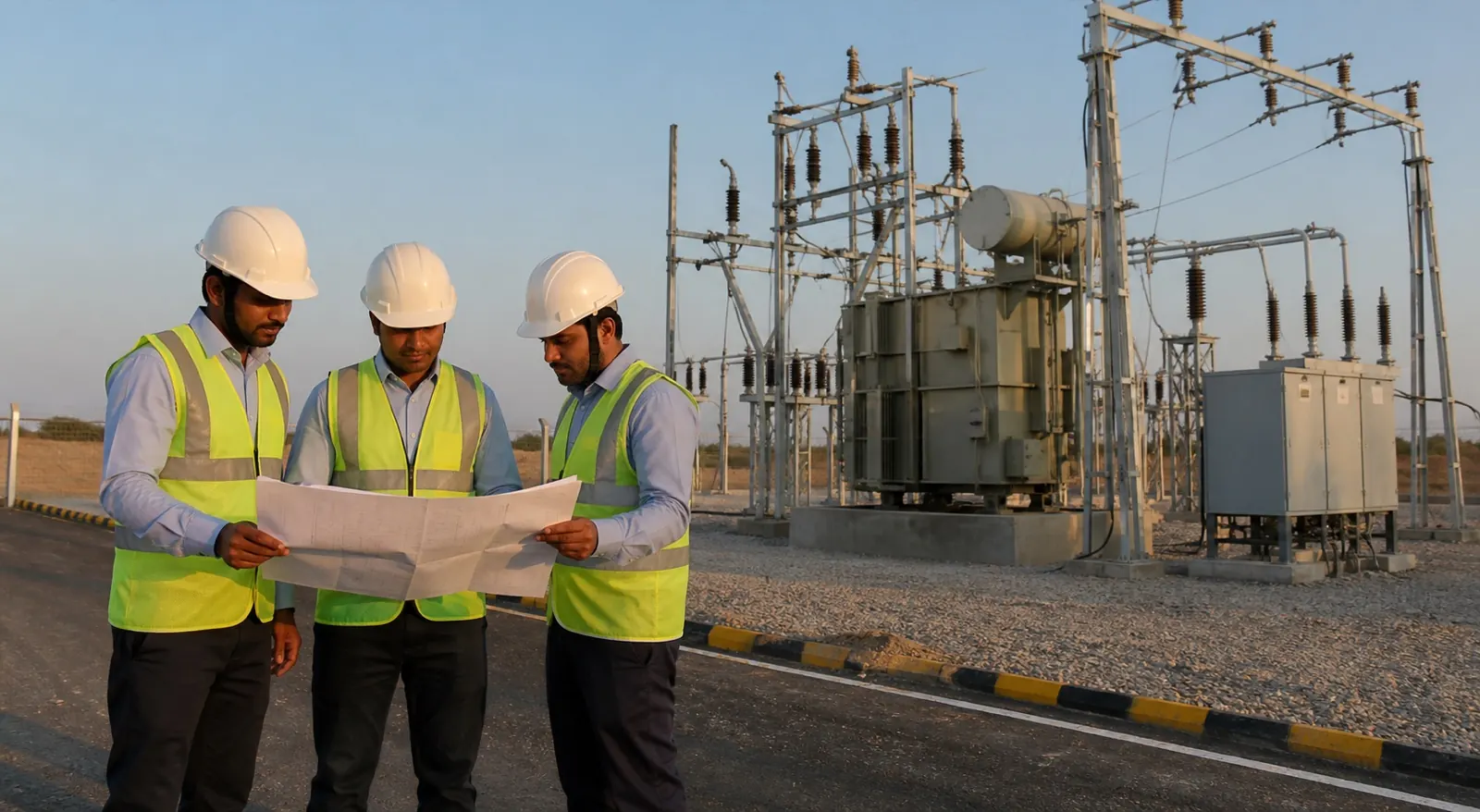
Start with consequence. Main incomers, bus joints, high-load feeders, cable terminations, contactors, APFC equipment and repeatedly troublesome assets often deserve priority over an indiscriminate photo sweep.
Scope the access honestly. Covers, interlocks, live-work restrictions and shutdown rules can prevent a clear view, and the report should say where inspection was limited.
Comparison helps. Phase-to-phase, like-for-like and ambient relationships are more useful than one absolute colour scale viewed without electrical loading or equipment history.
Patterns need interpretation. A hot termination, overloaded conductor and internally heated device can look similar at first glance, yet their corrective work is not interchangeable.
Close the loop. Record the work completed, then retest under a comparable load so the team can see whether the temperature pattern changed for the right reason.
Keep the old image. A dated trend can expose a recurring loose interface or rising load long before another single inspection would make the pattern obvious.
Decision sheet
Set the survey boundary before instruments arrive. It prevents a gallery of unlabeled images from being mistaken for an engineering report.
Working sequence
The camera is one step. Equipment selection and interpretation do most of the useful work.
Prioritise consequential and troublesome equipment, then record access restrictions.
Note load, duty and visible condition beside each usable thermal image.
Review phases, similar components and equipment history before setting priority.
Retest corrected items under representative duty and retain the before-and-after record.
Questions that change the scope
Visual checks can. Electrical thermal anomalies usually need operating load to become meaningful.
No. Palette, span, emissivity, load and equipment duty affect what the image appears to show.
No. It is one condition-survey method within a broader protection, earthing and work-practice review.
Yes, where practical. A comparable loaded retest is stronger evidence than a repair note alone.
Send the real inputs
Send the single-line diagram, panel schedule, operating shifts and known trouble points. We will define the survey boundary and access assumptions before the visit.
Send the requirement on WhatsApp